Urbi et Orbi (and to myself) on "Bitcoin Identity Crisis"

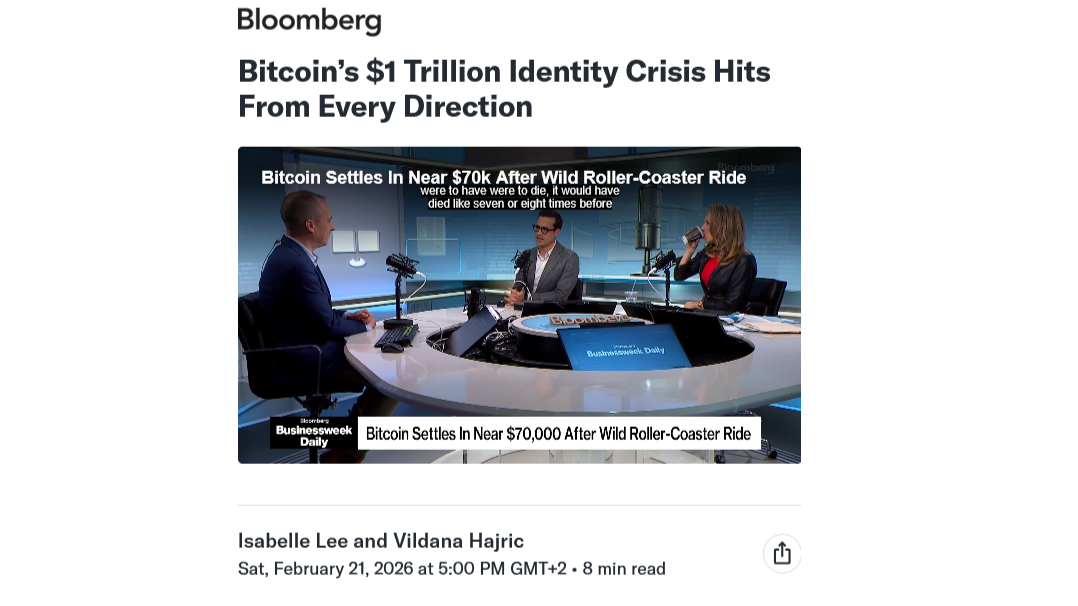
Guys, Bitcoin doesn't have an identity. We are the ones giving it one, and, well, we keep changing it. Bitcoin is just a protocol, lines of code. It's been working for 17 years now, while we're dancing around it trying to understand how to use it. We've seen this story before during the first years of the Internet. "Is it a post office? A library? A shopping mall? The tech must be a failure since the market crashed during the dot-com bubble."
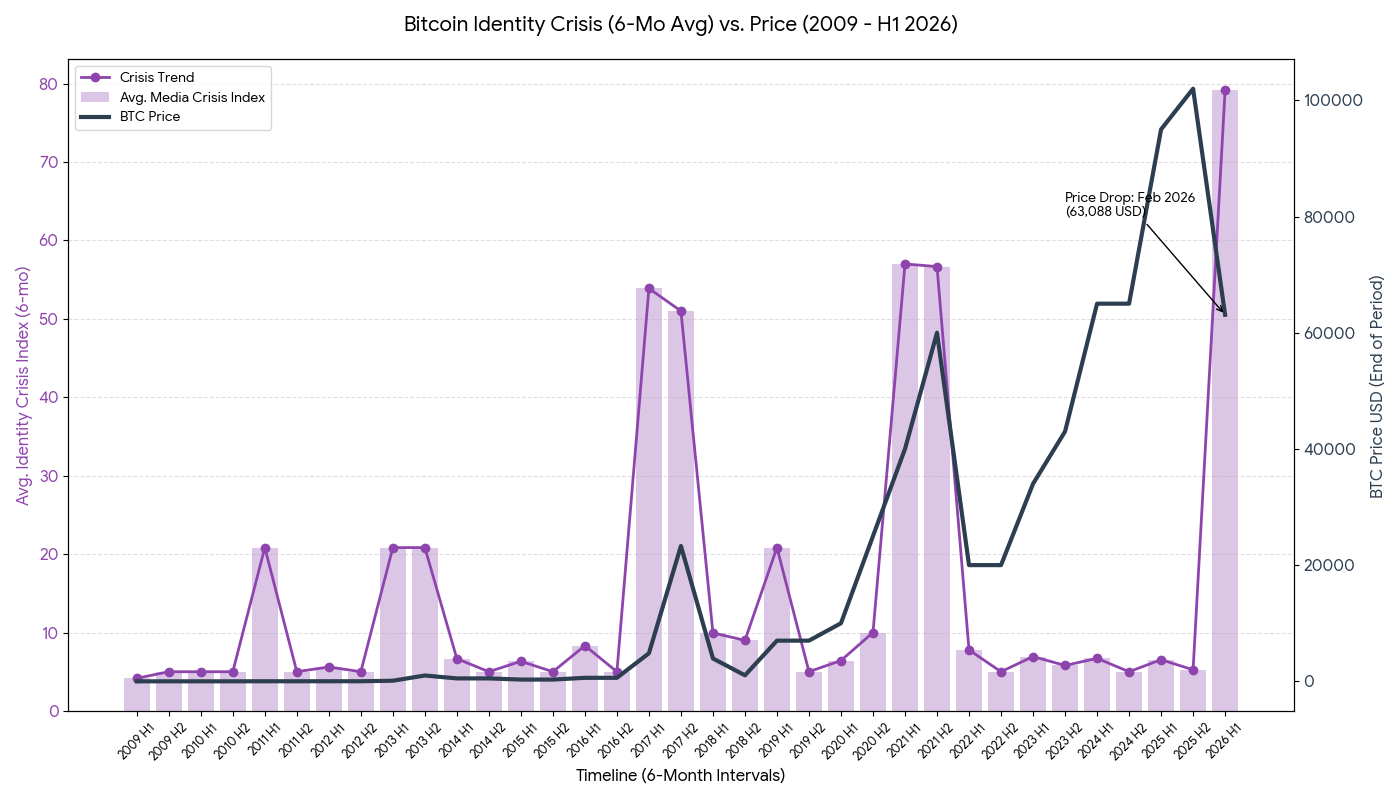
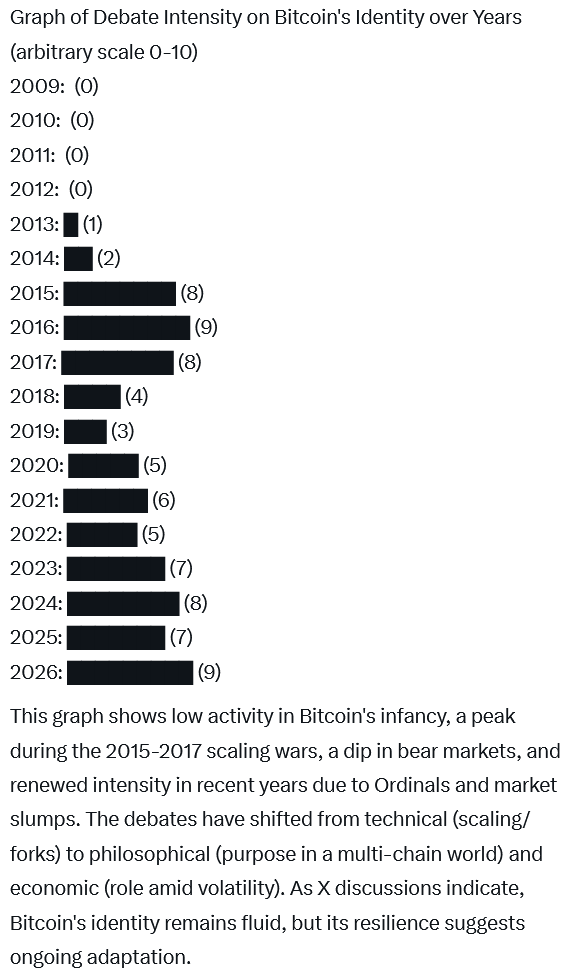
When we think about Bitcoin, it might be wise to also focus on HOW we're thinking about it. Are we again making the category error, assuming that if this new thing doesn't fit into pre-existing categories, then Bitcoin is broken? Are we trapped in the fallacy of single use case? It's a multi-layer protocol, guys. Are we still confusing the price of an asset with the protocol? Do we still believe that 17 years is enough to substantially change super complex and inertial monetary, financial, and state systems?
I believe "we" keep making all these mistakes.
Does it mean that we'll suddenly realize this? No. Does it mean that the price of Bitcoin won't crash to $10K or lower? No. Does it mean that this bear market can't last for five years or more, or indefinitely? No. Does it mean that Bitcoin will eventually win, whatever that might mean? No.
So where does this leave us?
Thanks to all the relentless devs, companies, investors, plebs, successful and failed experiments, Bitcoin is very slowly moving from being just another ideologically loaded and emotionally intense topic to being a more neutral, multi-purpose network infrastructure. For most, this transition might not even be visible yet, but it's happening. UX complexity is decreasing, usability is improving, usage and ecosystem are growing, new generations are coming. In my eyes, this is only the beginning.
Sure, Bitcoin has plenty of technical, adoption, and competition challenges, but "identity crisis" is not one of them. This 'crisis' is not in Bitcoin but in us - we're still obsessed with price movements while trying to explain this technology using old models.
What I see is the most decentralized monetary and financial network infrastructure that has a great chance to become one of the key pillars of the future monetary and financial systems, especially in the AI economy, due to its neutrality, among other key features. "The Internet of Money," if you will.
Does it mean this vision will become reality? No, but I'll take my chances.
Will you?
